Santiago no es Chile
The downtown has a story to tell
Since the arrival of the Spanish and the founding of Santiago in 1541, the political, economic, and military power of the republic has always resided here. In this way, both the history of Chile and its people, as well as its social order and idiosyncrasy, are deeply intertwined with this city—the capital of the kingdom.
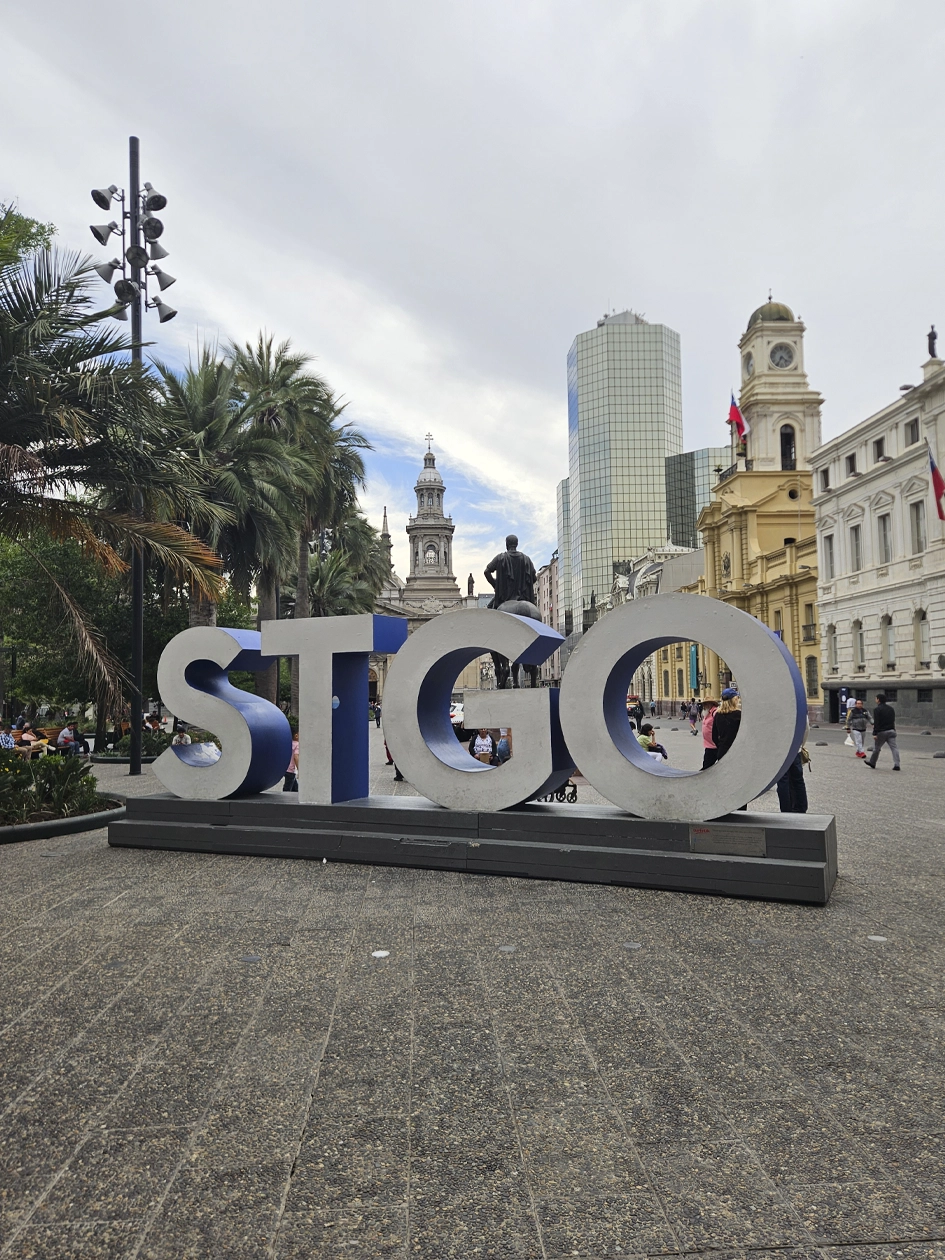
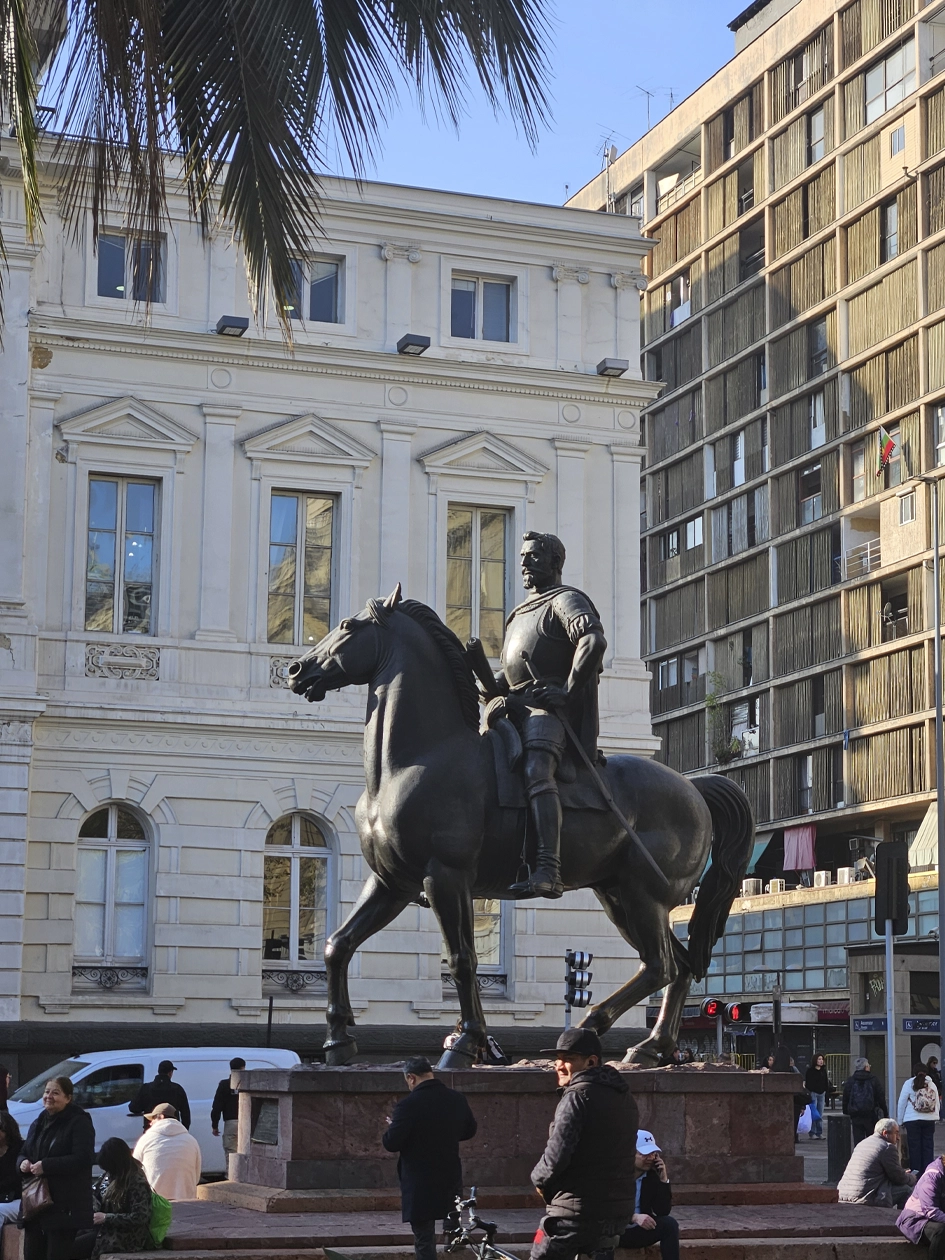
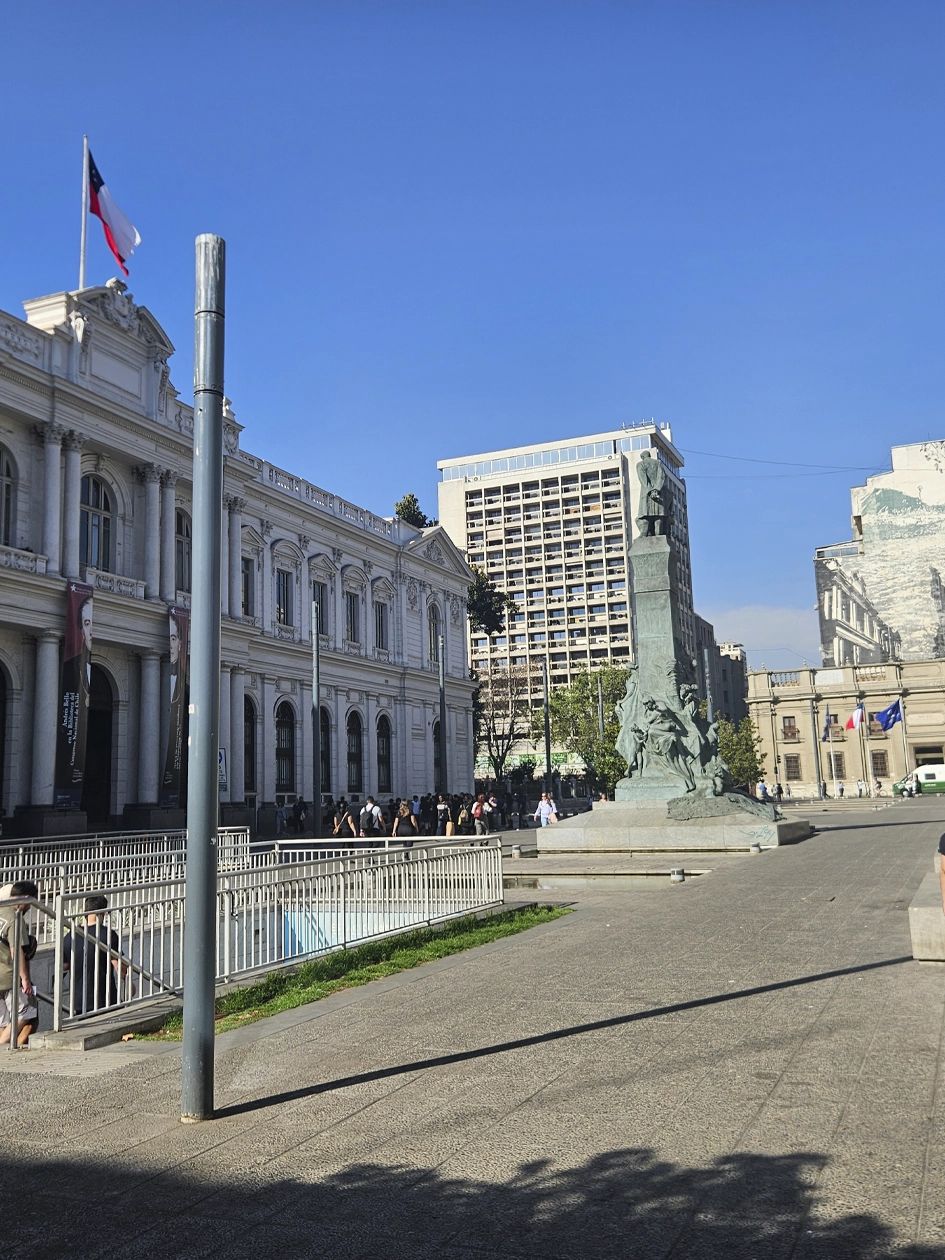
For this reason, if you look closely, you can find urban landmarks—such as buildings, statues, plazas, and streets— that narrate this relationship: the one between the city of Santiago and our history as a nation.
However, Chilean identity and the character of its culture cannot be understood without the connection to the land and its natural environment—without embracing the beautiful yet inhospitable landscape at the end of the world.
Thus, ‘Santiago is not Chile’ is an old saying that serves as a mantra to remind us that, despite its centralism, the true treasures of the Chilean nation lie beyond the walls of its main city.
If you plan to visit these places of great natural beauty and their small towns, this activity is a perfect introduction to the main features of our culture and idiosyncrasy, as well as a way to discover the origins of our traditions. It will help you better understand the codes and worldview of Chilean society and provide you with essential concepts to grasp the value we place on our natural spaces. That way, once you’ve completed your journey through the last corner of the world, you’ll be better equipped to judge whether Santiago is—or is not—Chile
Itinerary
- 1. Plaza de Armas
- 2. Museo de Santiago
- 3. Estatua de Pedro de Valdivia
- 4. Basílica de la Merced
- 5. Plaza Montt Varas
- 6. Barrio La Bolsa
- 7. Palacio de la Moneda
- Duration: about 5 hours
- 8. Plaza de La Constitución
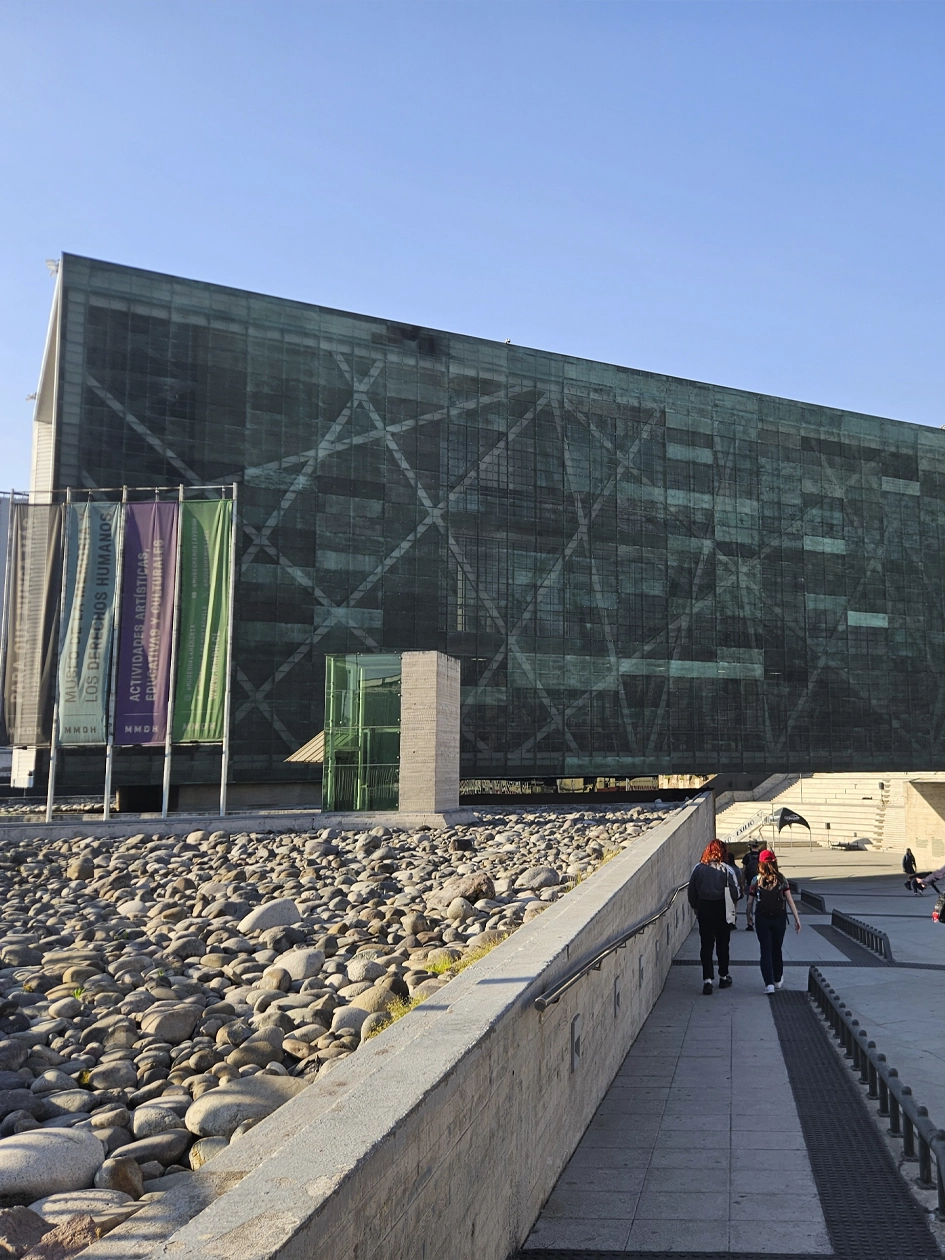
- 9. Museo de la Memoria
- 10. Barrio Bellas Artes
- 11. Parque Forestal
- 12. Barrio Lastarria
- 13. Centro Gabriela Mistral
- 14. Plaza Baquedano
- Duration: about 5 hours
- Extension: about 8 km or 5 mi
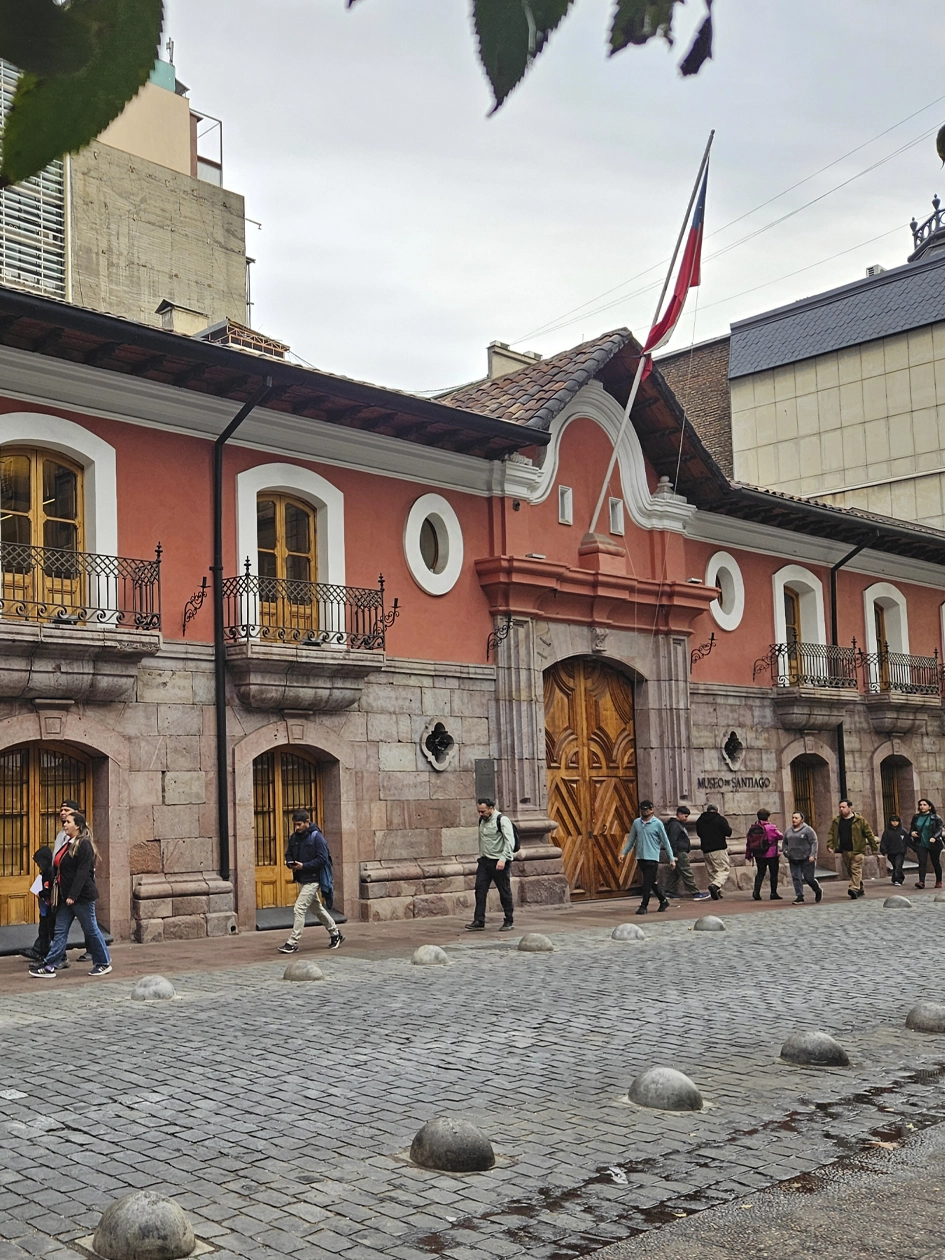
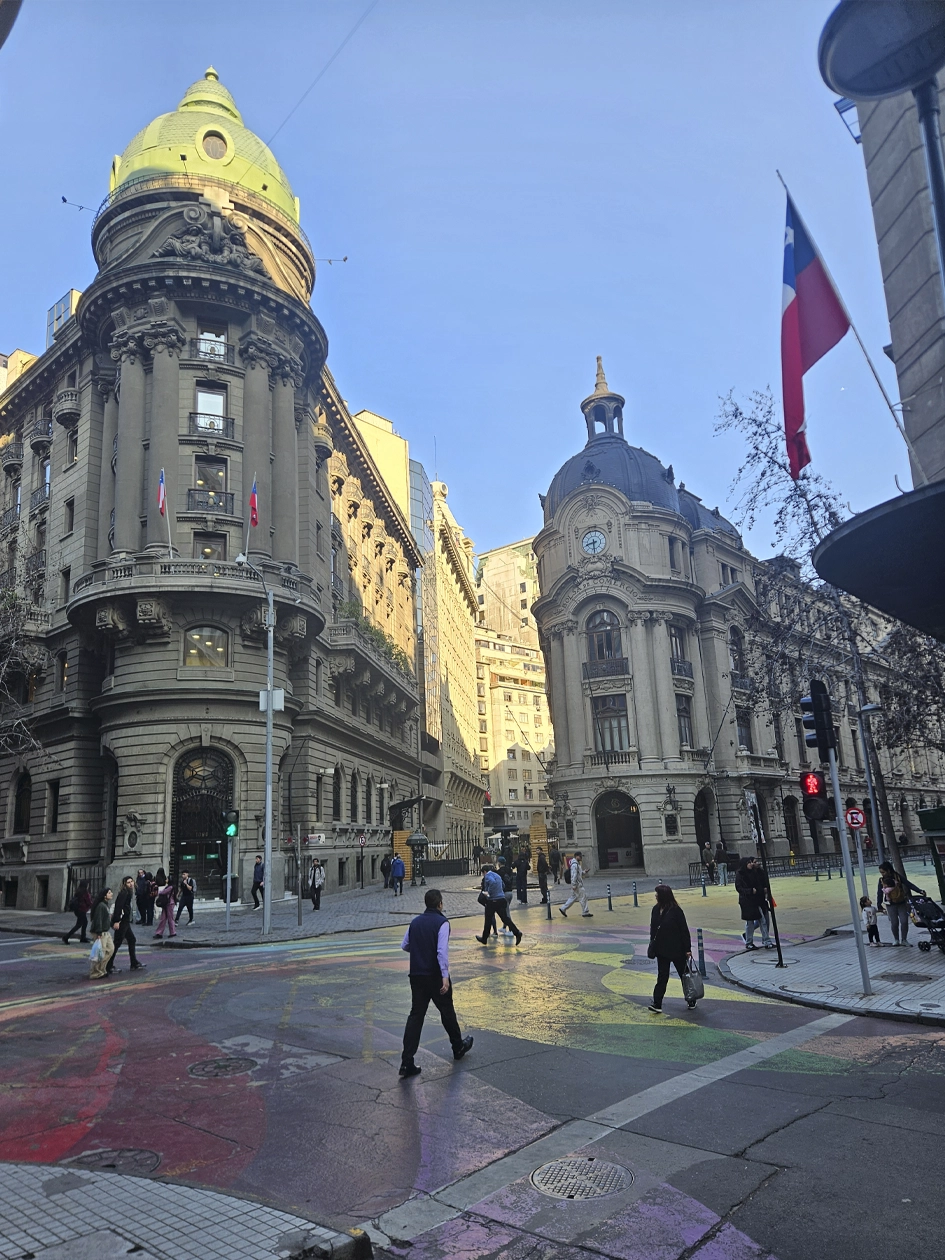
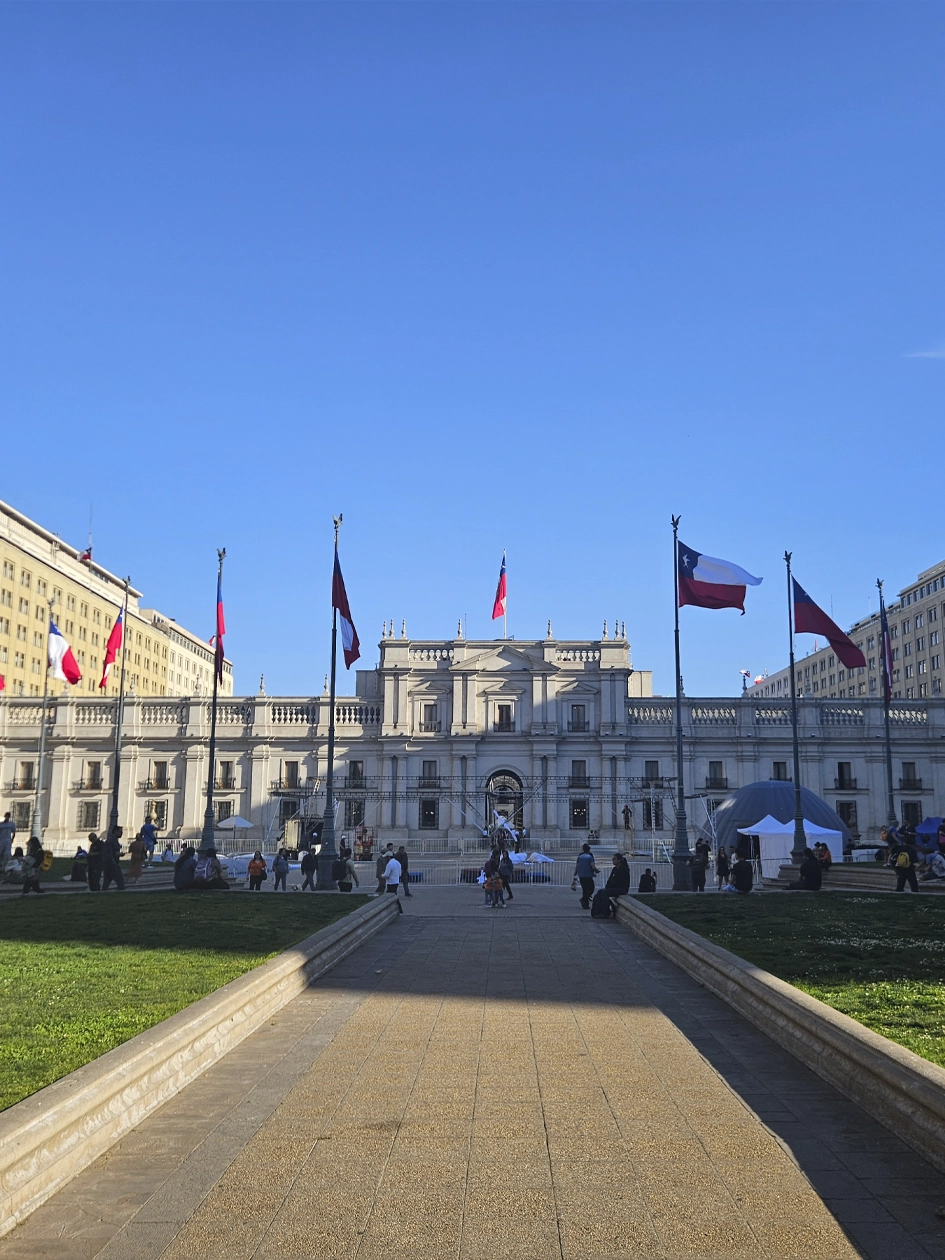
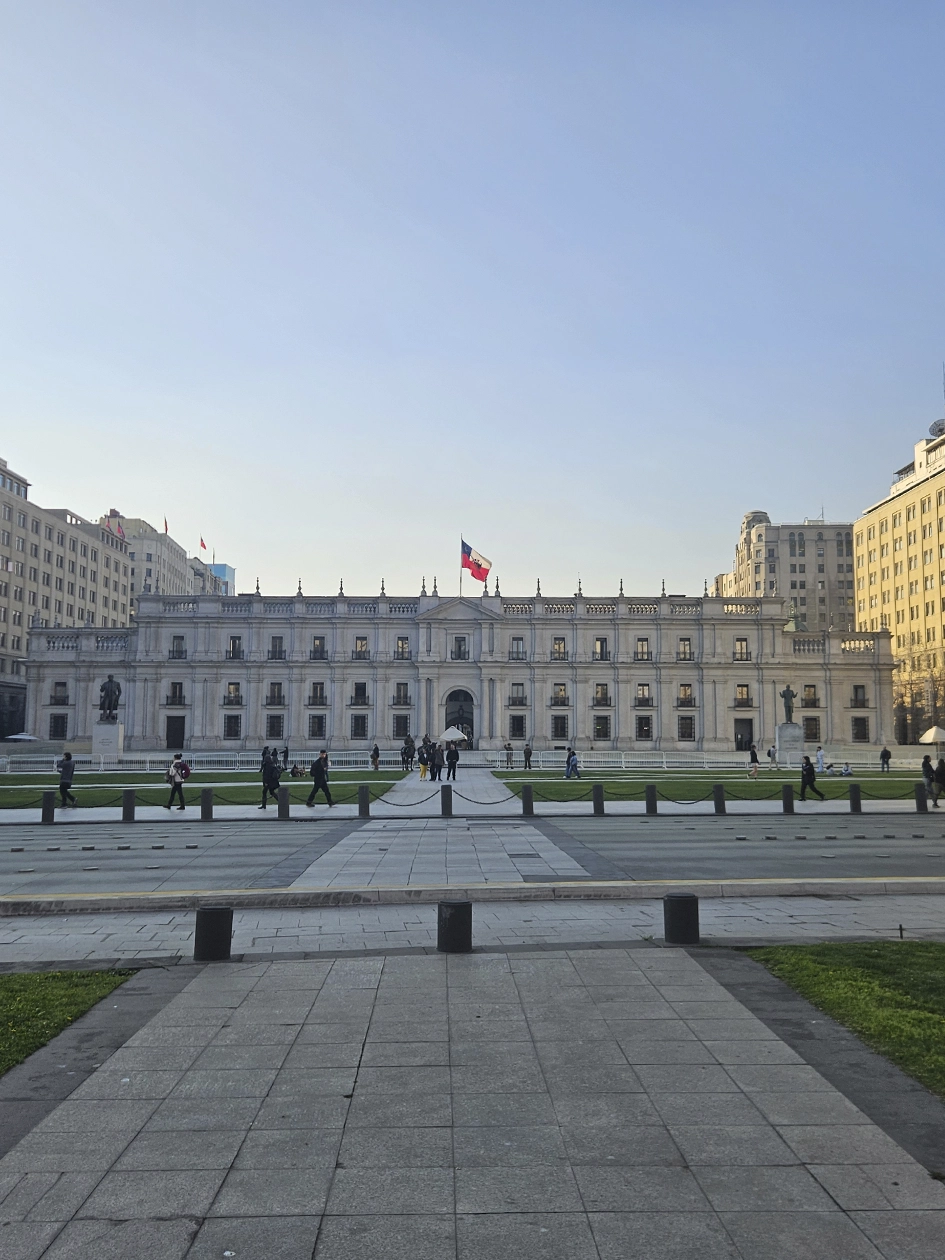
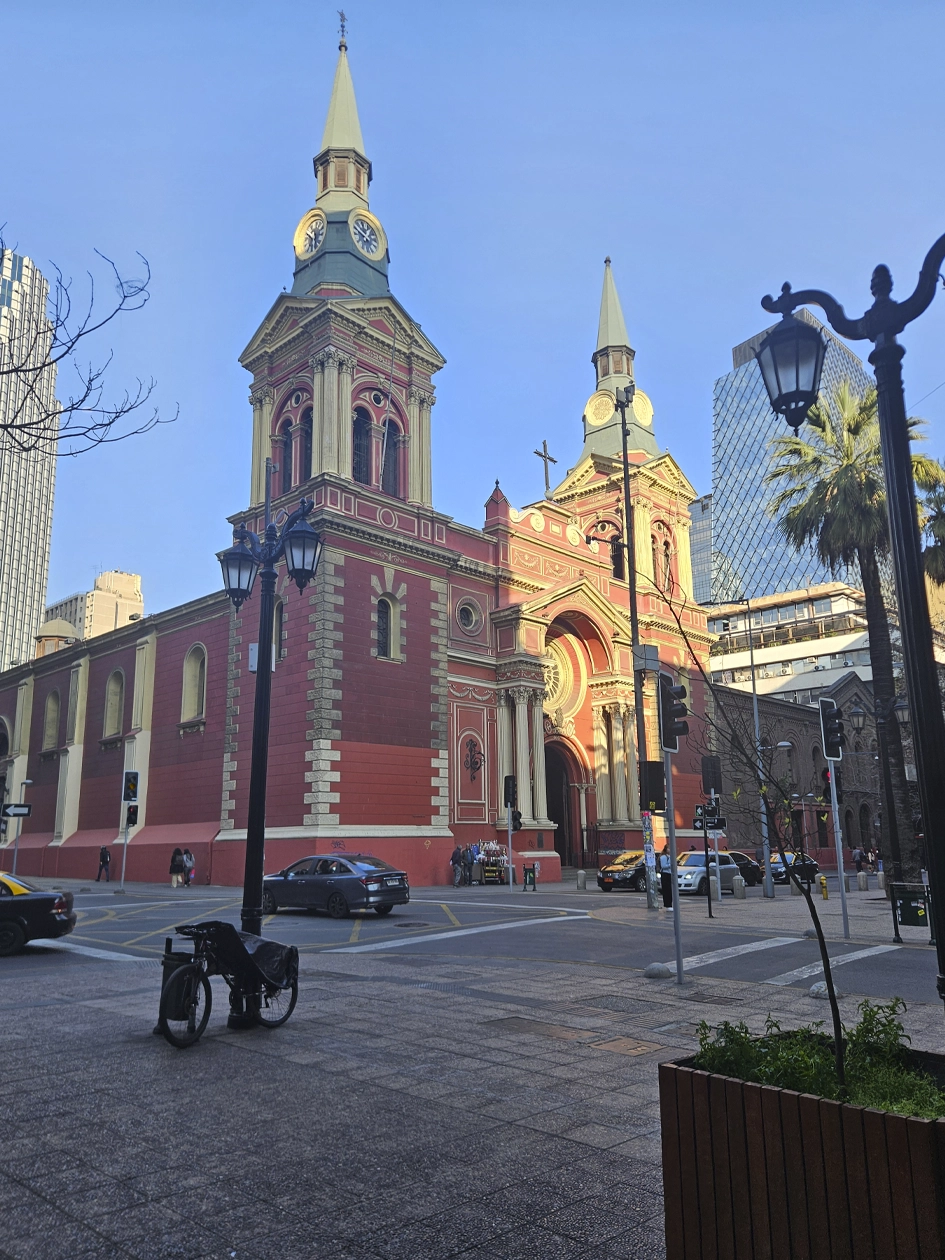
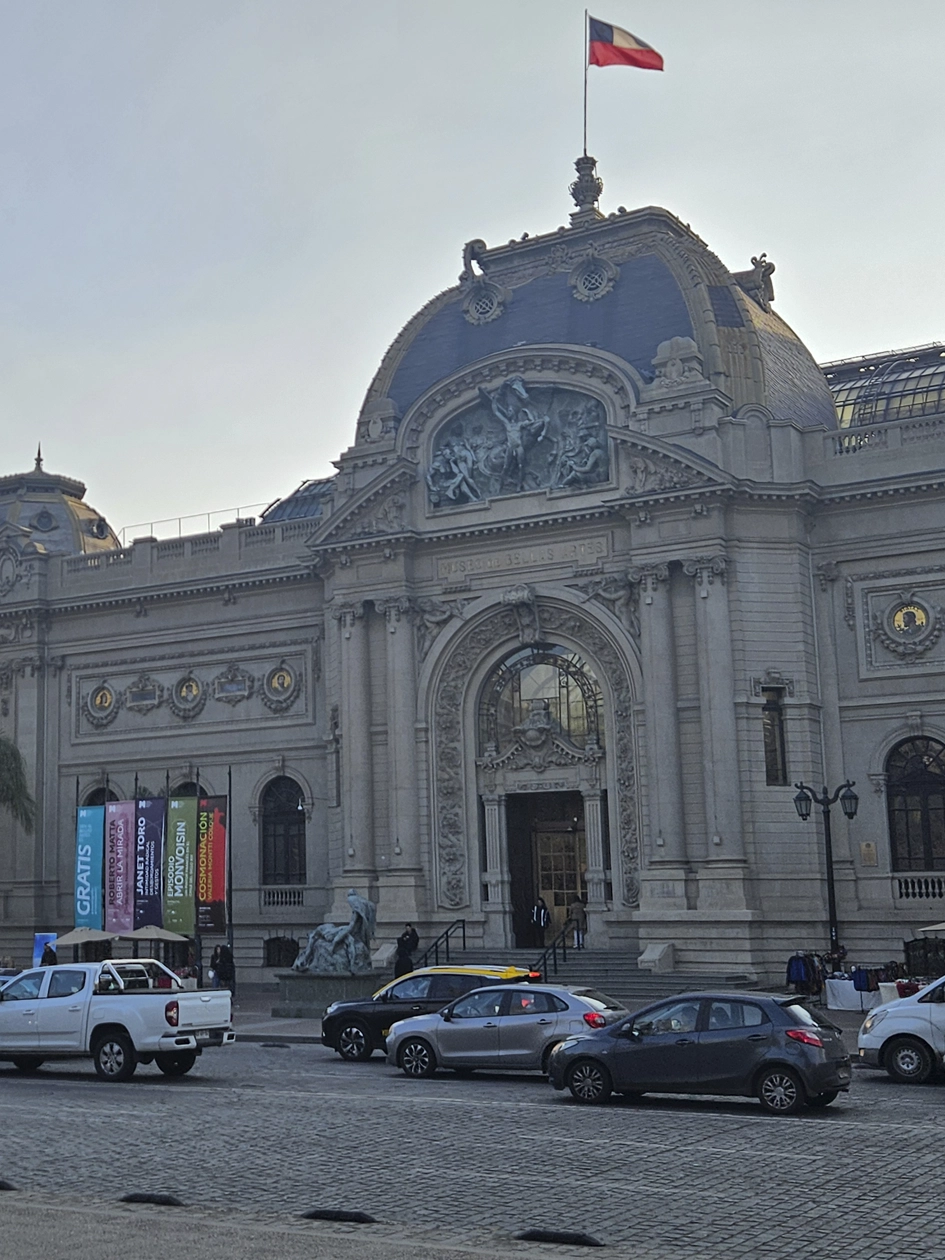
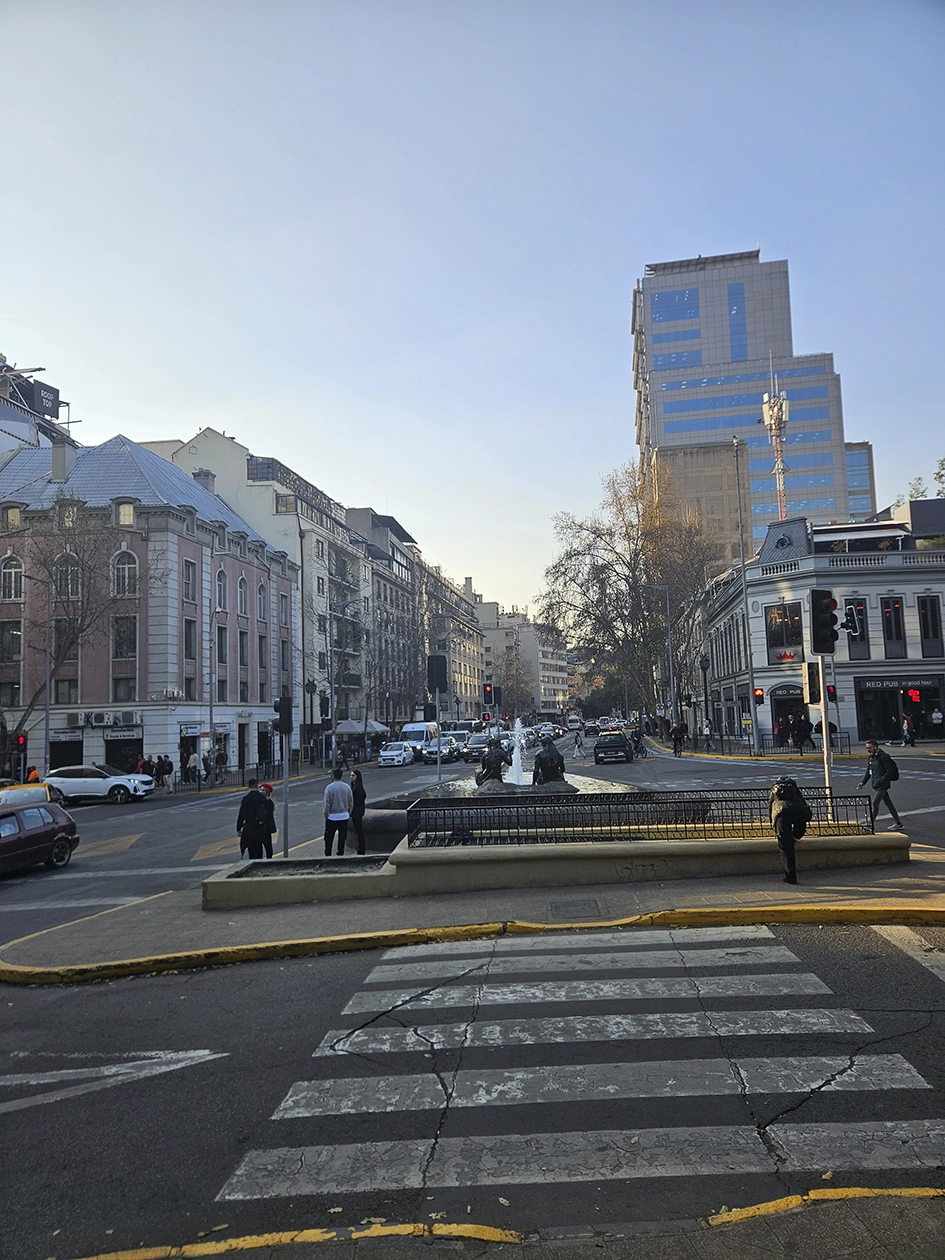
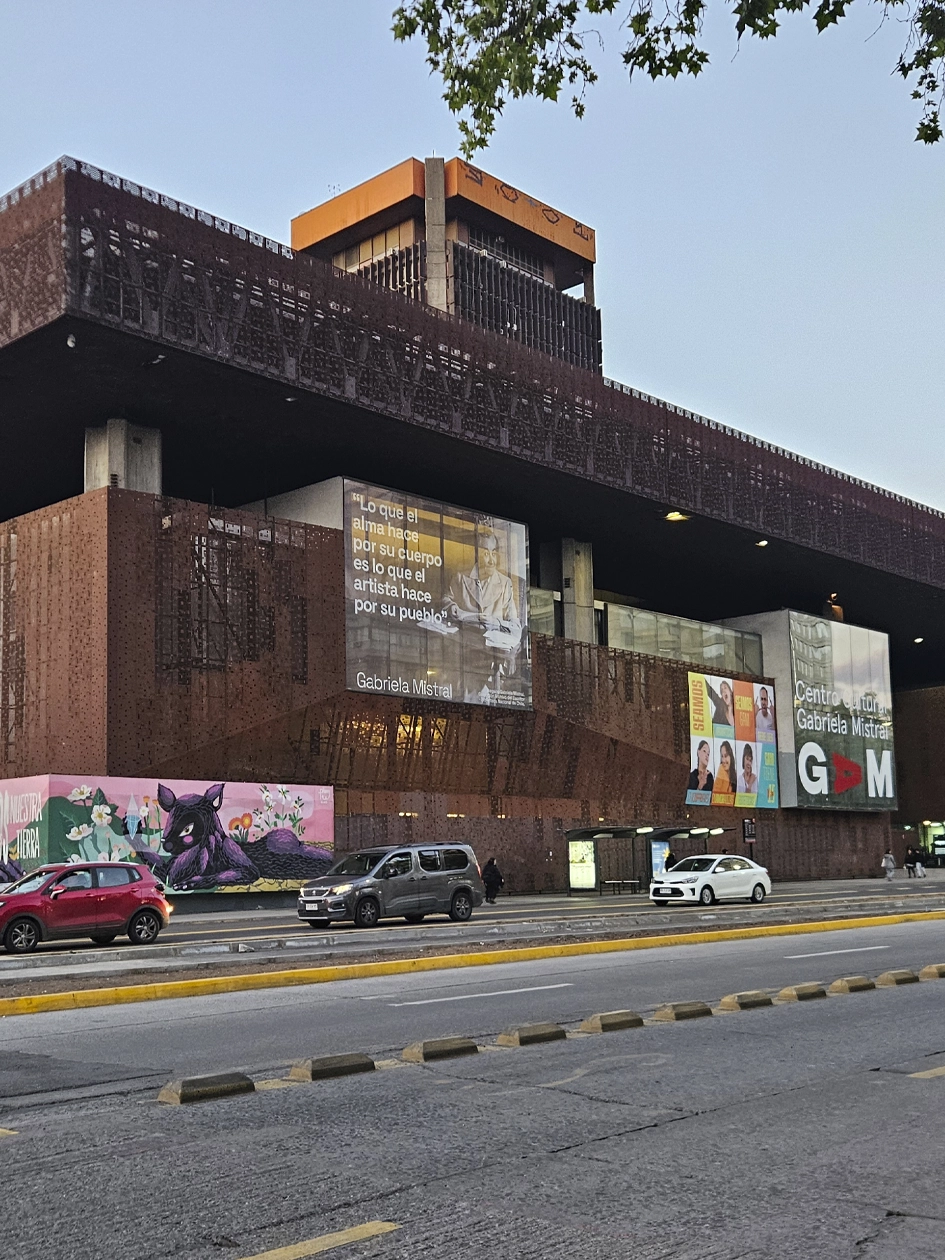
The main questions posed throughout this tour are:
• What makes Chile a unique and distinct place in the world?
• What are the main traits and characteristics of the Chilean
people?
• What values do we share as Chileans, and what are their
roots?
• What is the origin of our most important traditions?
• What is Chile’s position on the global and South American
stage?
• Why has the trajectory of Chilean society been so different
from that of other Latin American nations?
• How did the current and peculiar shape of Chile’s territory
come to be formed?

Horst
Voyage
Company
Keywords
- History
- Old town
- Downtown
- Heritage
- Historic Buildings
- Traditions
- Local Culture
- Architecture
Highlights
- A tour crafted by experts in Santiago's urban history
- Includes visits to the Museum of Santiago and the Museum of Memory
- This tour covers all the major landmarks
- Small groups for a better experience
- Historic Buildings
- Traditions
- Local Culture
- Architecture
Not recomended for
- Seniors over 75
- Hearing-impaired individuals
- Mobilityimpaired individuals
- People who have recently undergone surgery
Do not bring!
- Jewerly
- High-heels
- Bare Feet
We recomend you to bring
- Bottle of watter
- Sunglasses
- Hat
- Sun Creen
- Confortable shoes
Prices
- 1 person: $50 USD
- 2 persons: $85 USD
- 3 persons: $120 USD
- 4 persons: $150 USD
- 5 persons: $180 USD
- 6 persons: $200 USD
Accepted payment methods: Credit card and cash